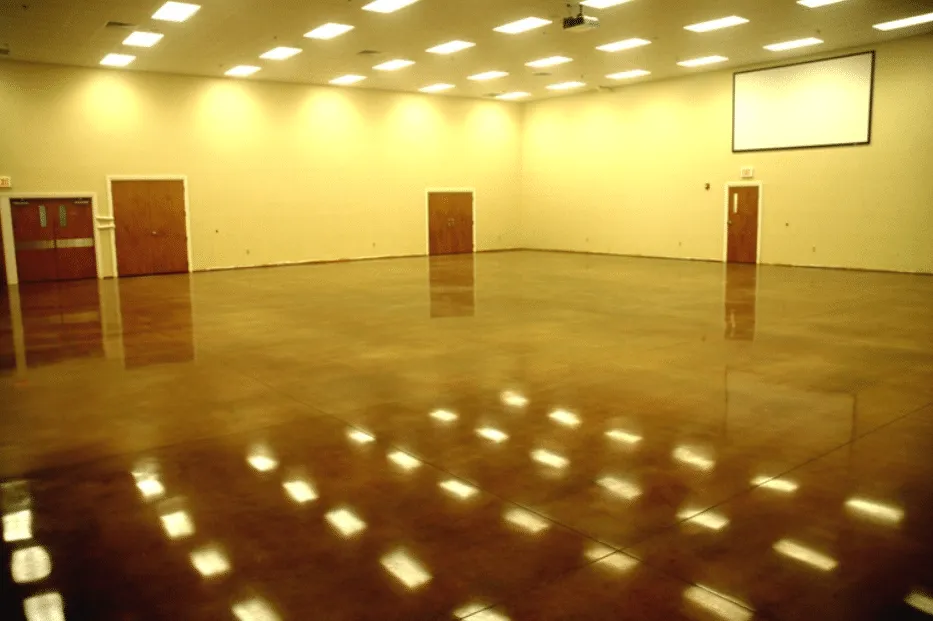
Epoxy flooring
Epoxy quartz flooring in San Diego
Epoxy layered with colored quartz aggregate for wear and abrasion resistance, indoors and on exterior walkways.
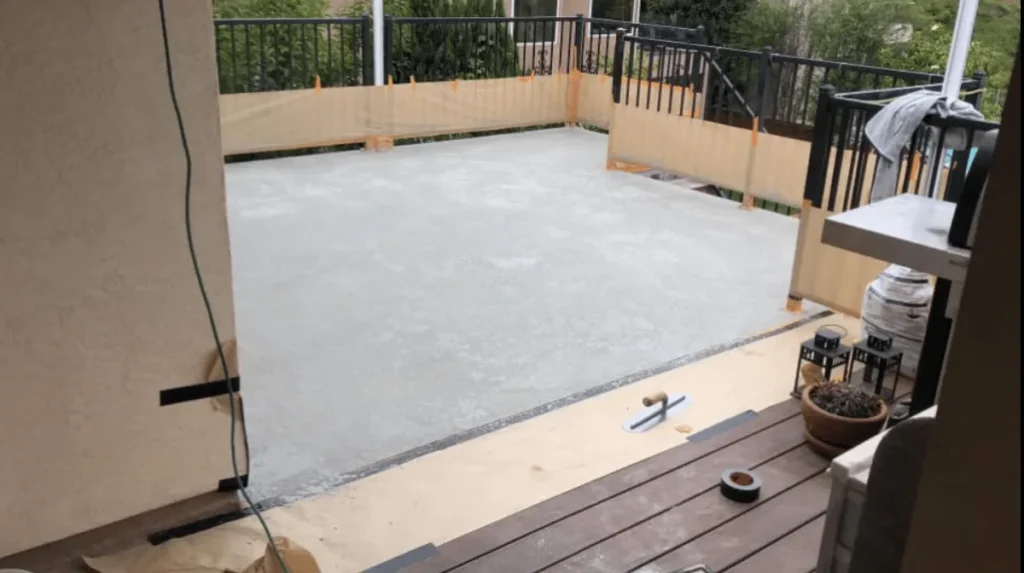
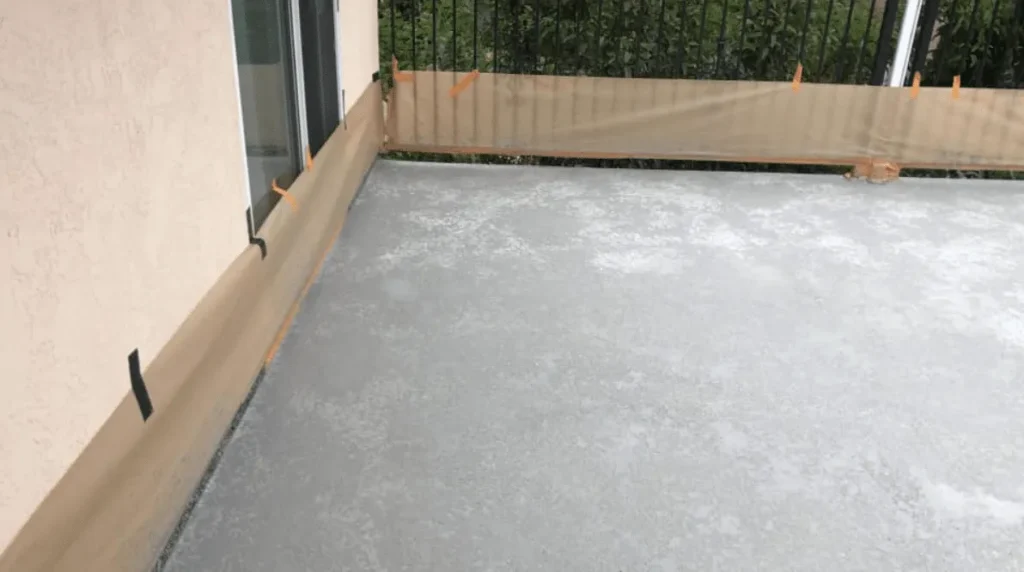
Quartz systems
A hard-wearing floor for any space
Epoxy quartz flooring systems are made of multiple layers of 100% solids epoxy combined with colored quartz aggregate. They give a good-looking floor with strong wear and abrasion resistance.
Quartz is one of the most popular epoxy finishes for exterior traffic-ways and walkways. These systems have a textured finish and are chemical-resistant and durable.
Like flake finishes, quartz is stain and chemical resistant and helps hide imperfections in the slab.
Service at a glance
- Best for
- Wear and abrasion resistance, indoors and on exterior walkways
- Finish
- Epoxy layered with colored quartz aggregate
- Good to know
- Stain- and chemical-resistant, with a textured finish that helps hide imperfections in the slab
- Service family
- Epoxy Flooring
Why quartz
What the quartz aggregate adds
The quartz is what separates this system from a plain epoxy coating. Colored quartz aggregate set into layers of 100% solids epoxy adds wear resistance, texture and color to the floor.
Wear and abrasion resistance
Hard quartz aggregate held in the epoxy gives the surface strong wear and abrasion resistance for busy floors and stairs.
Texture underfoot
The aggregate gives the floor texture, one reason quartz is a popular epoxy finish for walkways, restrooms and other areas that get wet.
Speckled color
Colored quartz gives a multi-tone, speckled finish instead of one flat color, and like flake finishes it helps hide imperfections in the slab.
Where it works
Good uses for epoxy quartz flooring
- Commercial kitchens
- Exterior walkways
- Restrooms
- Locker rooms
- Veterinary clinics
- Healthcare facilities
- Parking garages
- Pool decks
- Break rooms and cafeterias
- Stairs
- Pharmaceutical environments
- Production and service areas
Compare systems
Quartz, chip, solid color or urethane cement?
Epoxy quartz is the choice when a floor needs a textured, wear-resistant surface with decorative color. Chip, solid epoxy and urethane cement each answer a different need.
| System | Surface and look | Common settings | Consider it when |
|---|---|---|---|
| Epoxy quartz | Colored quartz aggregate in layers of epoxy; textured and speckled | Kitchens, restrooms, locker rooms, clinics, stairs, walkways and pool decks | You want texture and wear resistance with decorative color, indoors or on exterior walkways |
| Epoxy chip | Vinyl flakes broadcast into epoxy and sealed with a topcoat; a terrazzo-like look | Garages, shops, showrooms, schools and restaurants | The space has heavy foot traffic or light vehicle traffic and a flake finish appeals |
| Solid epoxy | One color, smooth and glossy or textured with aggregate | Warehouses, shops, labs, showrooms and offices | A clean single color, striping or color coding matters most |
| Urethane cement | A polyurethane-concrete mortar installed in a heavier build | Food processing, commercial kitchens, bakeries and cold storage | Hot oils, animal fats, thermal shock or thermal cycling are part of daily use |
Planning a kitchen? Kitchens can be planned zone by zone, with urethane cement where heat is most severe. See commercial kitchen flooring and urethane cement.
Finish and setting
Choosing the texture, indoors and out
The texture of a quartz floor is a balance between grip and ease of cleaning, and it is set to suit each area. Quartz works indoors and on exterior traffic-ways.
Setting the texture
How much texture the finished floor has depends on how the quartz is broadcast and how much topcoat goes over it. More texture gives more grip where floors get wet; a smoother surface is quicker to clean.
Stairs, walkways and locker rooms often call for more texture than a break room or corridor.
Interior and exterior use
Indoors, quartz suits wet and busy rooms such as restrooms, locker rooms, clinics and production and service areas.
Outdoors, it is one of the most popular epoxy finishes for traffic-ways and walkways, and it is used on pool decks and in parking garages.
Before and during installation
Preparing the slab and building the layers
Preparation depends on the slab: its condition, any existing coating or sealer, repairs, contamination and moisture all decide the steps before the first layer goes down.
Getting the slab ready
- Cracks, holes and damaged areas are repaired
- An existing coating or sealer is removed, because epoxy does not bond well to sealed concrete
- Oil and other contamination are cleaned off or ground away
- Moisture in the slab is checked
- The surface is prepared mechanically, in most cases by grinding, so the epoxy can bond
See concrete grinding and concrete repair.
Building a quartz floor
A primer or base layer goes down first. Colored quartz is broadcast into the wet epoxy, and once it has set, the excess is removed and further layers and a topcoat build and seal the surface.
The number of layers depends on the system and the area. See our process.
FAQ
Epoxy quartz questions
Is epoxy quartz the same as an epoxy chip floor?
No. Both are layered epoxy systems that resist stains and chemicals and help hide imperfections in the slab, but chip floors use vinyl flakes for a terrazzo-like look, while quartz floors use colored quartz aggregate for wear resistance and texture. See epoxy chip flooring.
Can epoxy quartz be used on stairs and outdoor walkways?
Yes. Stairs and exterior walkways are among its common uses, and quartz is one of the most popular epoxy finishes for exterior traffic-ways. The texture is set to suit each area.
Is epoxy quartz a good choice for a commercial kitchen?
It is a common choice for commercial kitchens, for example in prep and service areas. Where hot oils, animal fats and sudden temperature changes are severe, urethane cement is the system designed for those conditions, so a kitchen may use both.
How do you clean a textured quartz floor?
Sweep or dust-mop regularly, then clean with a diluted, neutral cleaner. A soft scrub brush helps lift dirt out of the texture. Avoid soaps that leave a film. See the floor care guide.
Related
Related services
- Epoxy Chip FlooringLayered epoxy with vinyl flakes for a decorative, chemical-resistant finish that is easy to clean.
- Solid Epoxy FlooringHigh-gloss or aggregate-textured epoxy for hangars, shops, warehouses and retail.
- Urethane CementPolyurethane-concrete mortar for heavy-duty, chemical and thermal-shock environments.
- Commercial KitchenFloors for commercial kitchens.
Areas served
Serving homes and businesses across Southern California
- San Diego County
- Orange County
- Riverside County
- Los Angeles County
Free estimate
Ready to transform your concrete floor?
Share a few details about your space and the finish you have in mind, and we will help you choose the right system for your home or business.
- (619) 870-8308Call for a free estimate
- info@concretepolishingsolutions.proEmail us about your project
- Southern CaliforniaSan Diego, Orange, Riverside & Los Angeles counties