Concrete Polishing Solutions

Commercial & residential concrete flooring · San Diego, Orange, Riverside & Los Angeles counties info@concretepolishingsolutions.pro (619) 870-8308

Epoxy flooring

Urethane cement flooring in San Diego

Urethane mortar, also called urethane cement or urethane concrete, for heavy-duty commercial and industrial floors.
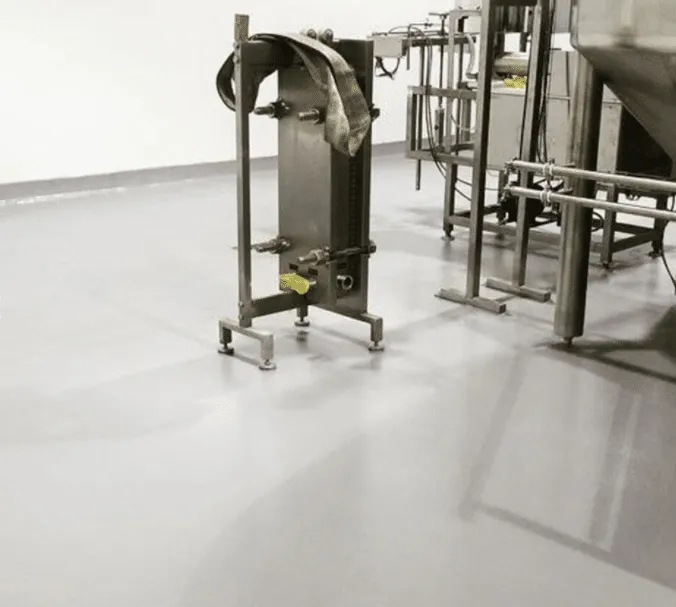
Coated floor beneath stainless manufacturing equipment
Coated production floor
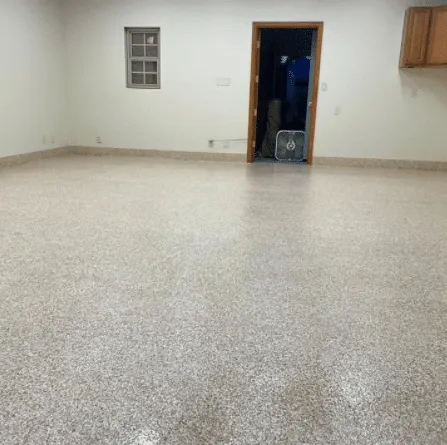
Speckled urethane cement floor in an empty room

Urethane mortar systems

Built for chemicals, heat and heavy use

Urethane mortar is a three-component polyurethane-concrete mix, typically installed between 1/8 inch and 3/8 inch thick. It is designed for heavy-duty environments that need resistance to chemical exposure, abrasion, thermal shock and thermal cycling.

It works well in facilities exposed to chemicals, alkalis, hot oils and animal fats on a regular basis. Urethane coatings are also flexible and scratch-resistant, which suits warehouses and industrial complexes with heavy machinery.

Service at a glance

Best for
Heavy-duty floors exposed to chemicals, abrasion, thermal shock and thermal cycling
Build
Three-component polyurethane-concrete mix, typically 1/8 to 3/8 inch thick
Common uses
Food processing plants, commercial kitchens, bakeries, cold storage
Service family
Epoxy Flooring

How it differs

Urethane cement compared with an epoxy coating

Urethane cement is a mortar rather than a thin coating. It is mixed from three components, installed in a heavier build and chosen for conditions that include hot oils, animal fats, alkalis, thermal shock and thermal cycling.

Urethane cement

  • Three components mixed on site: typically a liquid resin, a hardener and a cement-based aggregate blend
  • Typically installed 1/8 to 3/8 inch thick
  • Designed for chemical exposure, abrasion, thermal shock and thermal cycling
  • Flexible and scratch-resistant, which suits facilities with heavy machinery

Epoxy coatings

  • A two-part system of resin and hardener
  • Applied in layers, with solid, chip, quartz or metallic finishes
  • Hard and abrasion-resistant, in a wide range of colors
  • Used in garages, warehouses, showrooms, kitchens and many other spaces

See all epoxy flooring systems.

Where it works

Good uses for urethane cement

Compare systems

Urethane cement or epoxy quartz?

Choose urethane cement where heat, temperature changes, hot oils or chemicals are part of daily use. Choose epoxy quartz where a textured, wear-resistant, decorative finish is the priority. A facility can use both, area by area.

Urethane cement and epoxy quartz compared
FactorUrethane cementEpoxy quartz
BuildA three-component polyurethane-concrete mortar, typically 1/8 to 3/8 inch thickMultiple layers of 100% solids epoxy with colored quartz aggregate
Designed forChemical exposure, abrasion, thermal shock and thermal cycling; alkalis, hot oils and animal fatsWear and abrasion resistance; resists stains and chemicals
Common settingsFood processing, commercial kitchens, bakeries, cold storage, pharmaceutical plants and warehousesKitchens, restrooms, locker rooms, clinics, break rooms, stairs and exterior walkways
LookA seamless, practical surface for working areasA speckled, multi-tone quartz finish with texture
Often considered forCooking lines, washdown areas, cold storage and process areas with heat or chemicalsAreas where texture, wear resistance and a decorative finish matter

Read more about epoxy quartz flooring, or see how a commercial kitchen can be planned zone by zone.

Before installation

Evaluating and preparing the slab

Preparation for urethane cement depends on the slab and the site: its condition, existing coatings, contamination, moisture and the details at drains and edges. A typical sequence looks like this.

  1. 01

    Evaluate the slab and conditions

    The concrete is checked for cracks, damage, existing coatings and moisture, and the exposure in each area is reviewed: heat, oils, chemicals and washdown.

  2. 02

    Repair and remove

    Damaged concrete is repaired, and old coatings and contamination such as soaked-in oils and fats are removed so the mortar can bond.

  3. 03

    Prepare the surface

    The surface is prepared mechanically. The method is chosen to suit the slab and the system; shot-blasting is commonly used for mortar systems such as urethane cement.

  4. 04

    Install and return to service

    The system is mixed and installed at the specified build. Cure and return-to-service times depend on the product, the system and site conditions.

FAQ

Urethane cement questions

Is urethane cement the same as epoxy?

No. Epoxy is a two-part resin coating applied in layers. Urethane cement is a three-component polyurethane-concrete mortar, installed in a heavier build and designed for thermal shock, thermal cycling, chemical exposure and abrasion. Both give a seamless floor, and the choice depends on the conditions.

What are urethane mortar and urethane concrete?

They are other names for the same system. Urethane mortar, urethane cement and urethane concrete all describe a polyurethane-concrete mix used for heavy-duty floors.

Is urethane cement only for kitchens?

No. Besides commercial kitchens, it is used in manufacturing facilities, food processing plants, bakeries, cold storage, pharmaceutical plants, warehouses and industrial complexes. It is flexible and scratch-resistant, which suits facilities with heavy machinery.

How is a urethane cement floor maintained?

Keep it on a regular cleaning routine with a neutral cleaner, clean up oils and fats promptly, and follow the system manufacturer’s care instructions. Have damaged areas repaired early. See the floor care guide.

Areas served

Serving homes and businesses across Southern California

  • San Diego County
  • Orange County
  • Riverside County
  • Los Angeles County

Free estimate

Ready to transform your concrete floor?

Share a few details about your space and the finish you have in mind, and we will help you choose the right system for your home or business.

Free estimate

Request your free estimate

Prefer to talk? Call (619) 870-8308

This field is for validation purposes and should be left unchanged.
Name(Required)
Call (619) 870-8308Call Now (619) 870-8308Get a Free EstimateFree Estimate