Concrete Polishing Solutions

Commercial & residential concrete flooring · San Diego, Orange, Riverside & Los Angeles counties info@concretepolishingsolutions.pro (619) 870-8308

Concrete polishing

Concrete sealing in San Diego

Sealing protects concrete from water, dirt and stains, and brings out its color. We seal pool decks, patios, driveways, garages and interior floors.
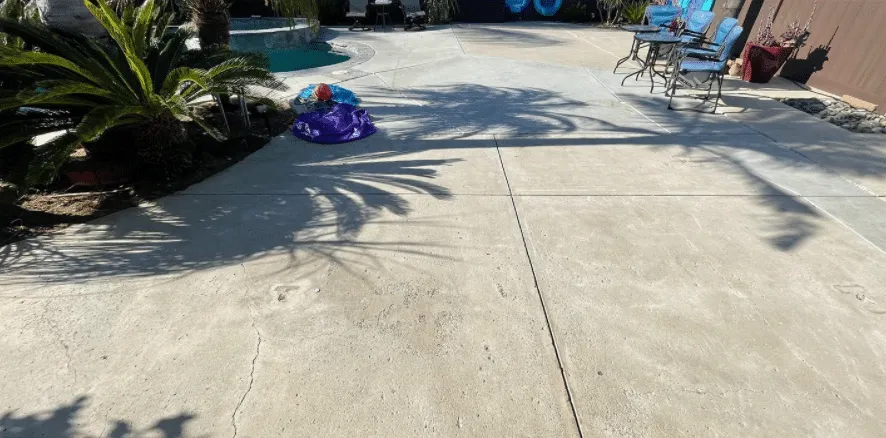
Concrete pool deck with patio furniture
Pool deck and patio
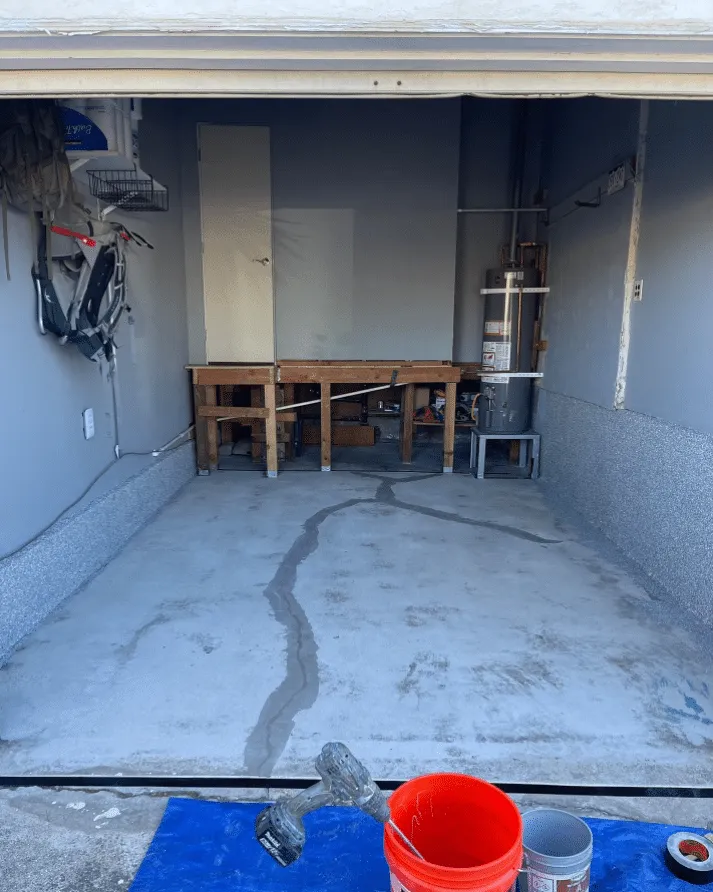
Concrete floor with visible cracks in a utility room

Why seal

Protection for polished, stained and outdoor concrete

A new overlay or stain can look great, but if the concrete is not sealed it is easy to scratch or damage. Pool decks and patios should be sealed to protect them from water, dirt and stains, and a sealed floor is likely to last longer than an unsealed one.

Think of sealer as sunscreen for concrete: it helps keep damaging things out. It also improves the look of the floor, deepening the color and adding the amount of shine that matches the finish you choose.

Service at a glance

Protects against
Water, dirt and stains
Finish
Deepens the color and adds the amount of shine that matches your finish
Surfaces
Pool decks, patios, driveways, garage floors, polished and stained concrete
Service family
Concrete Polishing

Sealing, coating or polishing?

How sealing differs from a coating or polishing

Sealing protects and enhances the surface you already have. A coating builds a new floor layer on top, and polishing refines the concrete itself.

  • Sealing

    A sealer helps keep water, dirt and stains out and deepens the color of concrete, stain or an overlay. The look of the surface stays the same, and the sealer is renewed over time.

  • Coating

    An epoxy or polyaspartic coating builds a new, seamless layer with its own color, flakes or finish. A sealed floor has to be prepared before it can be coated.

  • Polishing

    Polishing grinds and refines the concrete itself with diamond tooling, a densifier and sealer, until it reaches the sheen you chose.

Sealer types

Four common concrete sealers

Using the right sealer matters. The wrong type can put the slab underneath at risk.

Comparison of concrete sealer types
SealerHow it worksGood to know
PenetratingSoaks into the surface rather than leaving a film, so moisture vapor from inside the slab can escape.Helps protect against freeze-thaw and salt damage.
AcrylicForms a film on the surface and dries quickly.The least expensive option, and needs resealing more often than other types.
EpoxyA two-part system of resin and hardener that builds a hard-wearing surface.Turns yellow in sunlight, so it is used indoors.
PolyurethaneForms a thin protective film on the floor surface.Very durable, often used on industrial and commercial floors, indoors and out.

New concrete needs to cure completely before it is sealed, so the sealer does not peel or fade. We confirm timing and the right sealer for your surface during the estimate.

Is sealing enough?

When sealing is enough, and when something else comes first

Sealing works on concrete that is already in good shape. It protects a surface; it does not repair one.

Sealing fits when

  • The concrete is sound and you want to protect it
  • A new stain or overlay needs protecting
  • Outdoor concrete is exposed to water, dirt and stains
  • A dull surface needs its color and shine brought back

Something else comes first when

  • There are cracks, spalling or flaking, which call for repair or resurfacing
  • An old coating is failing and has to be removed
  • The concrete is new and has not fully cured

FAQ

Concrete sealing questions

How can I tell if concrete has already been sealed?

If water beads up on the surface, the concrete has most likely been sealed. That matters if you plan a coating later, because epoxy will not bond to sealed concrete.

Does sealing make concrete waterproof?

A sealer helps keep water, dirt and stains out of the surface, but it is surface protection, not a waterproofing system. For waterproofing work, see waterproofing.

When does concrete need resealing?

When the surface stops shedding water the way it used to, the sealer may be wearing and need to be reapplied. Some sealers, such as acrylics, need resealing more often than others. See the floor care guide.

Should stained concrete be sealed?

Yes. Sealer protects stained and decorative concrete from water, dirt and stains, and it deepens the color of the stain. See acid staining.

Areas served

Serving homes and businesses across Southern California

  • San Diego County
  • Orange County
  • Riverside County
  • Los Angeles County

Free estimate

Ready to transform your concrete floor?

Share a few details about your space and the finish you have in mind, and we will help you choose the right system for your home or business.

Free estimate

Request your free estimate

Prefer to talk? Call (619) 870-8308

This field is for validation purposes and should be left unchanged.
Name(Required)
Call (619) 870-8308Call Now (619) 870-8308Get a Free EstimateFree Estimate