
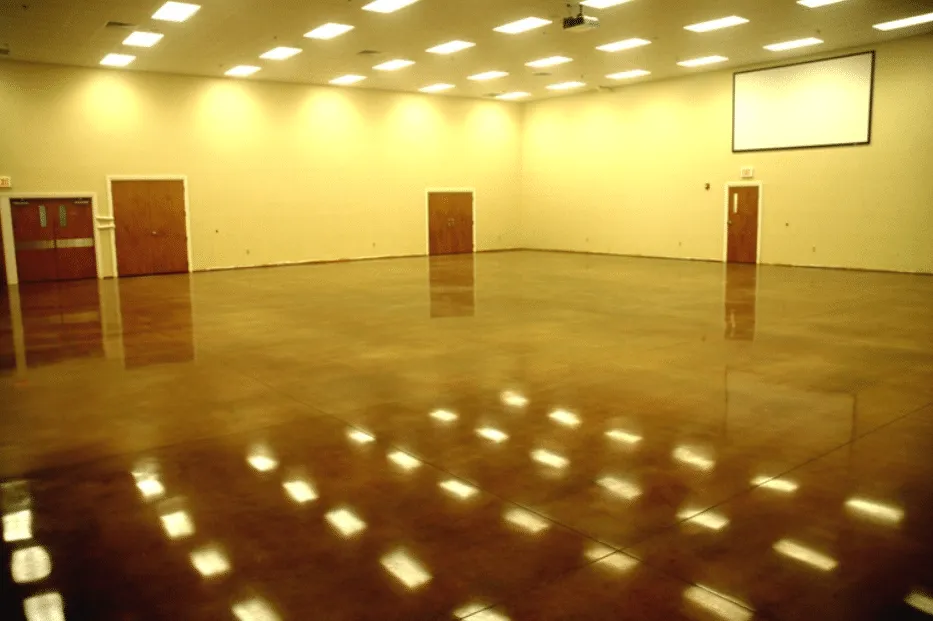
Commercial applications
Manufacturing flooring
Seamless polished concrete, epoxy and urethane floors for plants that see heavy traffic, equipment, chemicals and acids every day.
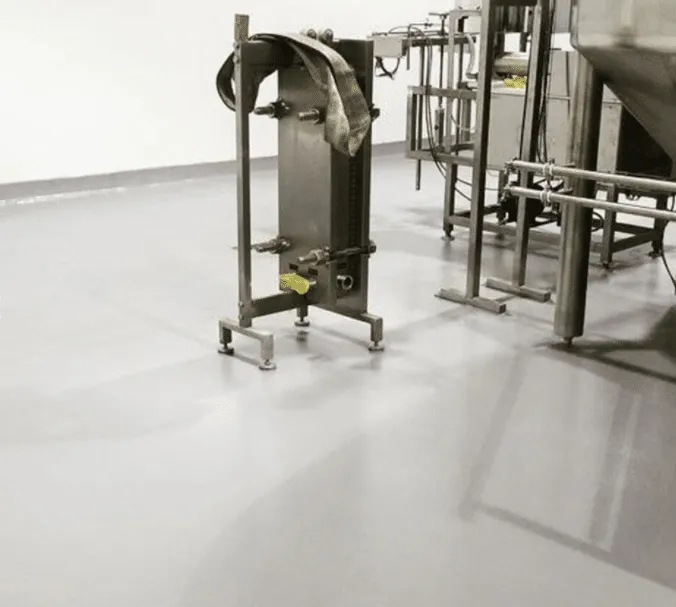
Overview
Keep production lines moving
A plant or factory needs flooring that can resist everyday abuse from high traffic and equipment, as well as chemical and acid exposure. Our seamless concrete polishing and epoxy flooring let you concentrate on keeping production lines running.
Production facilities aim to be as efficient as possible, and a damaged, cracked or slippery floor is both a hazard for employees and an obstacle to productivity. Specialist epoxy and urethane systems are designed for these environments, and with a wide range of components and products they can be tailored to your area.
We provide chemical-resistant, acid-resistant and moisture-resistant floor treatments, and seamless systems help protect and maintain the concrete surface where heavy loads and impacts are part of daily work.
Application at a glance
- Common floor needs
- High traffic, equipment, and chemical and acid exposure
- Typical spaces
- Food processing, heavy equipment and aerospace manufacturing, packing centers and loading docks
- Relevant systems
- Urethane cement, solid epoxy, epoxy quartz and concrete polishing
Where it works
Manufacturing areas we floor
- Food processing plants
- Heavy equipment manufacturing
- Aerospace manufacturing
- Packing centers
- Warehouses
- Traffic lanes
- Battery storage areas
- Repair shops
- Loading docks
Zones in a plant
Matching systems to manufacturing zones
A manufacturing plant is a set of operational zones, each with its own traffic and exposure. Choosing a system zone by zone lets each area get the floor its conditions call for.
| Zone | Typical exposure | Systems to consider |
|---|---|---|
| Production and process lines | Chemicals, acids, oils and equipment | Urethane cement or epoxy, chosen for the chemicals and acids that reach the floor |
| Food processing areas | Washdown, hot liquids, fats and temperature changes | Urethane cement, which is designed for thermal shock and is used in food processing plants |
| Assembly areas | Steady foot traffic, carts and workstations | Polished concrete or solid epoxy |
| Traffic lanes | Forklifts and equipment moving between zones | Polished concrete or a hard epoxy surface, with line striping |
| Battery storage areas | Battery acid and chemicals | Seamless epoxy or urethane systems that resist chemicals and battery acid |
| Repair shops and loading docks | Oils, tools, impacts and vehicle traffic | Solid epoxy, urethane cement or polished concrete, depending on use |
Aerospace manufacturing has its own hangar, lab and assembly needs; see aerospace and military flooring. For storage and distribution space, see warehouse flooring.
Systems
Systems for manufacturing
Specialist epoxy and urethane systems are designed for manufacturing environments. Urethane cement handles chemical exposure, abrasion, thermal shock and food processing, and epoxy systems can be tailored to each production area.
Between zones
Planning transitions and movement between zones
Where two systems meet, or where forklifts cross from one zone to the next, the details decide how well the floor holds up. These points are planned with the layout of the plant.
Where systems meet
A process area coated with urethane cement may sit next to an assembly area with polished concrete. The edge where they meet is planned so it is flush and clean and does not become the place where the floor starts to break down.
Doorways, drains and equipment bases are detailed the same way.
Routes through the plant
Traffic lanes carry forklifts and equipment across several zones. Line striping and color coding can mark lanes, walkways and storage areas, so routes stay clear while the plant runs.
For common production-floor problems and how they are fixed, see factory flooring.
Before the site visit
What helps plan a manufacturing floor
A clear picture of how each area is used makes the recommendation more accurate. These details are worth gathering before a site visit.
What reaches the floor
The chemicals, acids, oils and cleaning products used in each area, and how often they are spilled.
Heat and washdown
Whether areas see hot liquids, washdown or temperature changes, which point toward urethane cement.
Equipment and traffic
The machinery, forklifts and carts in each zone, and the routes they use.
Slab condition
Known cracks, damage, old coatings or moisture problems in the existing concrete.
Production schedule
Which areas could be taken out of service, and when, so phasing can be considered.
Layout changes
Planned changes to lines or storage that affect where markings and systems should go.
FAQ
Manufacturing flooring questions
What floor suits a battery storage area?
Battery storage areas need a floor that resists battery acid and chemicals. Seamless epoxy or urethane systems are used for that exposure, and the choice depends on the chemicals involved and the condition of the slab.
Which system is used in food processing areas of a plant?
Urethane cement is used in food processing plants because it is designed for chemical exposure, abrasion, thermal shock and thermal cycling, including hot oils and animal fats. See urethane cement.
How does manufacturing flooring differ from factory or warehouse flooring?
A manufacturing plant can combine several zones with different exposures, such as process lines, food processing, assembly and battery storage, so the floor is planned zone by zone. For production-floor problems and fixes, see factory flooring; for storage and distribution space, see warehouse flooring.
What if the existing plant floor is damaged?
Cracks, trenches and damaged areas are repaired before a new system goes down, and old coatings are removed. Which preparation steps are needed depends on the slab condition, contamination, moisture and the system chosen. See concrete repair.
Areas served
Serving homes and businesses across Southern California
- San Diego County
- Orange County
- Riverside County
- Los Angeles County
Free estimate
Ready to transform your concrete floor?
Share a few details about your space and the finish you have in mind, and we will help you choose the right system for your home or business.
- (619) 870-8308Call for a free estimate
- info@concretepolishingsolutions.proEmail us about your project
- Southern CaliforniaSan Diego, Orange, Riverside & Los Angeles counties