
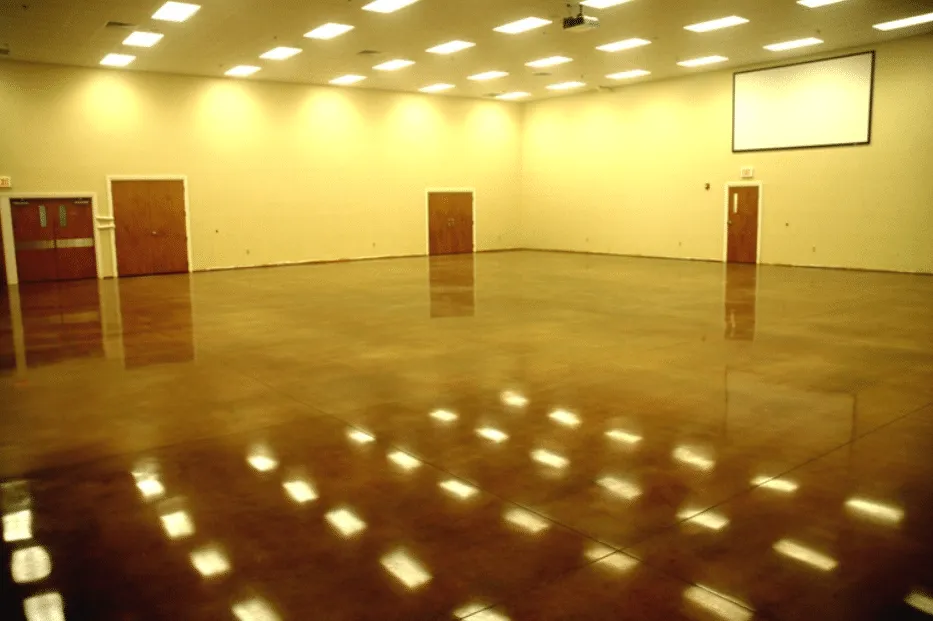
Epoxy flooring
Acrylic flooring and coatings
Acrylic or epoxy? Both protect a concrete floor and make it look new. Here is how they differ, and where each one works best.
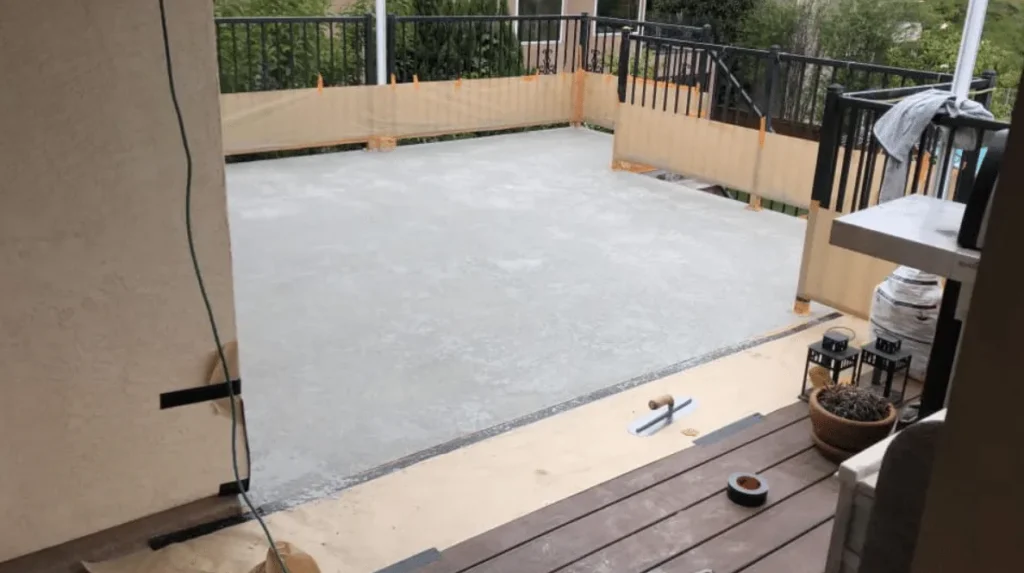
Acrylic vs. epoxy
Two ways to protect a concrete floor
A coating adds protection when you install a new floor or repair an existing one. Acrylic and epoxy both create a barrier over the concrete and give it a refreshed look, but they are made differently and suit different spaces.
What is an acrylic coating?
Acrylic coatings come in water-based and solvent-based versions. They enhance and protect the color of interior and exterior surfaces, and they are a quick-drying, lower-cost option for concrete floors. Acrylic forms a protective layer on top of the concrete rather than soaking into it, and can give a shiny, glass-like look.
What is an epoxy coating?
Epoxy coatings combine a resin with a polyamine hardener. They build a high-gloss, protective layer on concrete, bond well to the surface and come in clear and many colors. Businesses use epoxy in high-traffic areas, and homeowners use it to protect garage and kitchen floors from oil, gasoline, bleach and harsh cleaners.
Service at a glance
- Best for
- A quick-drying, lower-cost coating for concrete floors
- Finish
- A protective layer on top of the concrete that can give a shiny, glass-like look
- Types
- Water-based and solvent-based acrylic coatings
- Service family
- Epoxy Flooring
Where acrylic is used
Where an acrylic coating fits
Acrylic is chosen for decorative and exterior concrete with lighter wear, where its finish range, lower cost and faster drying suit the job.
Stamped and decorative concrete
Exterior surfaces such as stamped concrete, where the coating enhances and protects the color.
Driveways and patios
Acrylic coatings for exterior concrete help protect the slab underneath and refresh its look.
Interior floors
Interior floors that need stain resistance and a finish from matte to shiny.
Side by side
Acrylic vs. epoxy floor coating
| Acrylic | Epoxy | |
|---|---|---|
| Make-up | Acrylic polymer emulsions, water-based or solvent-based. | Resin plus a polyamine hardener; 100% solids versions available. |
| Finish | A wide range, from matte to shiny. | High gloss. |
| Cost | Generally lower, especially water-based products. | Higher, because of the resin content. |
| Durability | A protective layer suited to decorative concrete with lighter wear. | More durable and harder to scratch; protects against strong chemical spills. |
| Where it is used | Exterior and interior floors. | Mainly interior floors, especially where oil or chemicals may be spilled. |
| Application | Dries faster. | Takes longer to dry and must be protected from water until it does. |
Both coatings need a dry surface. A moisture test tells us whether the concrete is ready before we coat it.
Where each one works
Choosing the right coating
Epoxy coatings
- High-traffic areas
- Manufacturing facilities
- Chemical containment areas
- Garages and kitchens
Acrylic coatings
- Exterior surfaces such as stamped concrete
- Interior floors that need stain resistance
Before and after coating
Getting the surface ready, and keeping it looking good
An acrylic coating sits on top of the concrete, so the surface under it needs to be dry, clean and sound. Afterward, the coating is cared for and renewed over time.
Surface readiness
- The concrete has to be dry; a moisture test shows whether it is ready
- Cracks and damaged areas are repaired first
- Dirt and contamination are cleaned off
- What the surface needs depends on its condition and any coating already on it
See concrete repair.
Upkeep
Keep harsh chemicals off decorative coatings, and clean outdoor surfaces with soap and water. How often an acrylic surface needs renewing depends on the product and the wear it sees; acrylic sealers, for example, need resealing more often than other sealer types.
See the floor care guide and concrete sealing.
FAQ
Acrylic coating questions
When would acrylic be considered instead of epoxy?
For exterior and decorative concrete with lighter wear, where a wider choice of finish, a lower cost and faster drying matter. Epoxy is the stronger choice for high-traffic interior floors and areas where oil or chemicals may be spilled.
Can an acrylic coating be used outdoors?
Yes. Acrylic is used on exterior and interior floors, including exterior surfaces such as stamped concrete, while epoxy is mainly used indoors.
Does acrylic soak into the concrete?
No. Acrylic forms a protective layer on top of the concrete rather than soaking into it, which is why the surface needs to be dry and clean before it is applied.
Related
Related services
- Solid Epoxy FlooringHigh-gloss or aggregate-textured epoxy for hangars, shops, warehouses and retail.
- Epoxy Chip FlooringLayered epoxy with vinyl flakes for a decorative, chemical-resistant finish that is easy to clean.
- Concrete SealingSealers that protect polished, stained and outdoor concrete.
- PatiosCoated outdoor patios.
Areas served
Serving homes and businesses across Southern California
- San Diego County
- Orange County
- Riverside County
- Los Angeles County
Free estimate
Ready to transform your concrete floor?
Share a few details about your space and the finish you have in mind, and we will help you choose the right system for your home or business.
- (619) 870-8308Call for a free estimate
- info@concretepolishingsolutions.proEmail us about your project
- Southern CaliforniaSan Diego, Orange, Riverside & Los Angeles counties